Summary:
Why Roof Installation Quality Matters More Than Material Choice in Florida
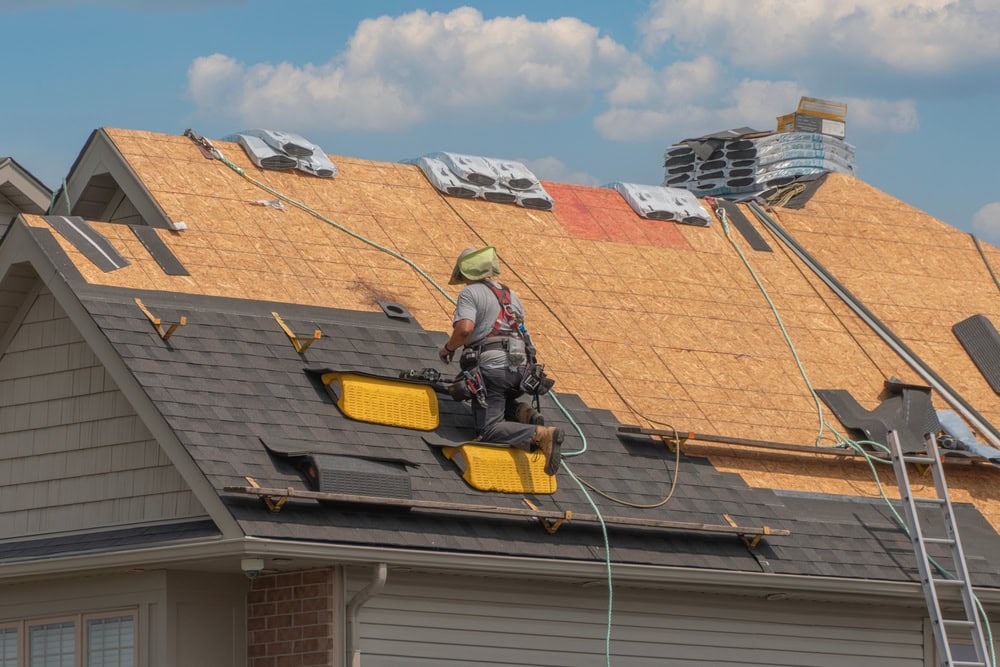
You can install the most expensive metal roofing panels available and still end up with a roof that fails in a Category 3 hurricane. Installation quality determines whether your roof stays attached to your house when wind speeds hit 130 mph and uplift forces try to peel it away from the structure.
The difference comes down to fastener spacing, underlayment sealing, and proper flashing around penetrations. A roof installed to minimum code requirements might technically pass inspection but won’t perform like one installed to manufacturer specifications with hurricane straps and enhanced connections. That gap between “good enough” and “built to last” shows up when storm damage assessments happen and insurance adjusters start measuring wind resistance ratings.
Palm Beach County requires permits for all roof replacements specifically because improper installation creates liability for everyone. The permit process ensures inspections catch issues before they become problems—missing hurricane clips, inadequate fastening patterns, or underlayment that won’t seal if shingles blow off.
How Wind Uplift Ratings Actually Protect Your Home During Hurricanes
Wind doesn’t just blow against your roof—it creates uplift that literally tries to suck the roofing system off your house. When wind hits your home’s edge, it accelerates and changes direction, creating negative pressure on the roof surface. This uplift force is why you see entire roofs peeled away in hurricane footage while walls remain standing.
Florida Building Code requires roofing systems in Palm Beach County to withstand specific wind uplift pressures based on your home’s location and exposure. Most installations need materials rated for sustained winds of 130-150 mph, but the rating only matters if installation follows the exact specifications that earned that rating. A metal roof rated for 160 mph winds loses that protection if installers use the wrong fastener spacing or skip hurricane clips at the eaves.
The underlayment layer matters just as much as the visible roofing material. Sealed roof decks minimize water intrusion if surface materials blow off during a storm. This secondary barrier has reduced water damage claims by 60% in homes that experienced partial roof loss during recent hurricanes. Your contractor should explain their fastening pattern, show you the underlayment specifications, and confirm that all materials carry Florida Product Approval numbers.
Insurance companies understand these technical details better than most homeowners. They know that a properly installed roof with documented wind mitigation features qualifies for premium discounts of 20-45%. Those discounts aren’t charity—they’re actuarial recognition that correct installation dramatically reduces claim probability. When your roof reaches 15 years old, Florida law allows insurers to require an inspection before renewal. That inspection verifies your roof still has at least five years of useful life remaining, which depends entirely on whether it was installed correctly in the first place.
What Florida Building Code Requirements Mean for Your Roof Installation Project
Wind doesn’t just blow against your roof—it creates uplift that literally tries to suck the roofing system off your house. When wind hits your home’s edge, it accelerates and changes direction, creating negative pressure on the roof surface. This uplift force is why you see entire roofs peeled away in hurricane footage while walls remain standing.
Florida Building Code requires roofing systems in Palm Beach County to withstand specific wind uplift pressures based on your home’s location and exposure. Most installations need materials rated for sustained winds of 130-150 mph, but the rating only matters if installation follows the exact specifications that earned that rating. A metal roof rated for 160 mph winds loses that protection if installers use the wrong fastener spacing or skip hurricane clips at the eaves.
The underlayment layer matters just as much as the visible roofing material. Sealed roof decks minimize water intrusion if surface materials blow off during a storm. This secondary barrier has reduced water damage claims by 60% in homes that experienced partial roof loss during recent hurricanes. Your contractor should explain their fastening pattern, show you the underlayment specifications, and confirm that all materials carry Florida Product Approval numbers.
Insurance companies understand these technical details better than most homeowners. They know that a properly installed roof with documented wind mitigation features qualifies for premium discounts of 20-45%. Those discounts aren’t charity—they’re actuarial recognition that correct installation dramatically reduces claim probability. When your roof reaches 15 years old, Florida law allows insurers to require an inspection before renewal. That inspection verifies your roof still has at least five years of useful life remaining, which depends entirely on whether it was installed correctly in the first place.
Best Roofing Materials for Palm Beach County Weather Conditions
Material choice determines how your roof handles specific threats—wind uplift, impact from flying debris, UV degradation, and water intrusion. Palm Beach County’s climate creates a perfect storm for roof deterioration: hurricane-force winds, intense year-round sun exposure, high humidity that breeds mold, and heavy rainfall that tests waterproofing constantly.
Metal roofing leads for overall weather resistance. Metal roofs can withstand hurricane-force winds up to 160 mph when properly installed with the right fastening systems. They reflect up to 70% of solar radiation, keeping attics cooler and reducing cooling costs by 15-30%. Metal resists impact damage better than most alternatives and doesn’t provide food for algae or mold growth.
The tradeoff comes in upfront cost and installation complexity. Metal roofing typically costs more initially than asphalt shingles, though the 40-70 year lifespan and minimal maintenance requirements offset that premium over time. Not every contractor has the expertise to install metal roofing correctly, so finding qualified installers matters more with metal than with more forgiving materials.
Comparing Tile, Metal, and Shingle Performance in Hurricane Conditions
Tile roofing delivers exceptional durability and a classic aesthetic that many Palm Beach County neighborhoods favor. Clay and concrete tiles can withstand wind resistance up to 130 mph, and their weight actually helps keep them in place during storms. Tiles provide natural insulation that keeps homes cooler and reduces energy costs. With proper maintenance, tile roofs last 50-75 years, and clay tiles can exceed 100 years.
Tile installation requires structural considerations that other materials don’t. The weight of clay or concrete tiles means your roof structure must handle the load, which sometimes requires reinforcement. Tiles are more expensive than shingles and more labor-intensive to install. Individual tiles can crack from impact, though the overall system usually remains intact. Proper fastening with clips or foam adhesives designed for hurricane zones prevents tiles from becoming projectiles during storms.
Asphalt shingles remain the most affordable option but come with significant limitations in Florida’s climate. Standard asphalt shingles withstand winds up to only 110 mph, and Florida’s intense UV exposure plus humidity typically reduces their lifespan to 10-15 years instead of the advertised 25-30 years. Shingles absorb heat rather than reflecting it, increasing cooling costs. Many insurance companies won’t offer full coverage on shingle roofs past 15 years, and claims might be denied outright after storms.
Architectural shingles with enhanced wind ratings perform better than basic three-tab shingles. Some premium asphalt products now offer wind warranties up to 130 mph when installed with proper nail patterns and underlayment. These upgraded shingles cost more but still don’t match the longevity or wind resistance of metal or tile. If budget constraints make shingles your only option, invest in the highest wind-rated products available and ensure your contractor follows manufacturer installation specifications exactly.
The real comparison isn’t just about material performance—it’s about total cost of ownership. A cheap shingle roof that needs replacement in 12 years costs more over 30 years than a metal roof installed once. Factor in potential insurance premium increases for older roofs, the risk of storm damage with lower wind ratings, and the hassle of repeat replacements when evaluating options.
Understanding Roof System Components Beyond Surface Materials
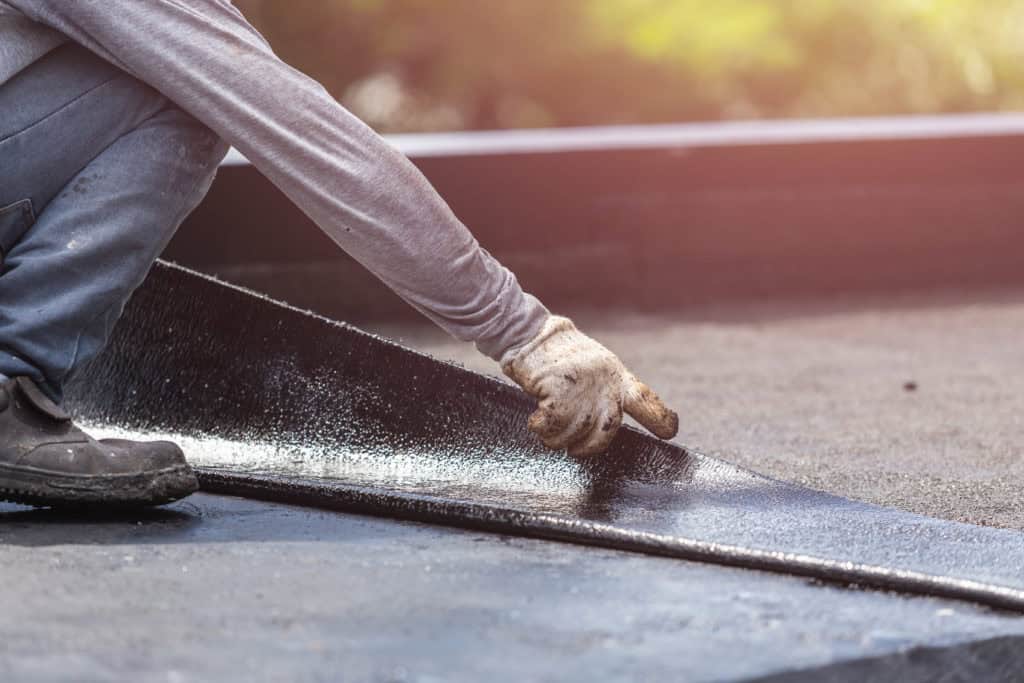
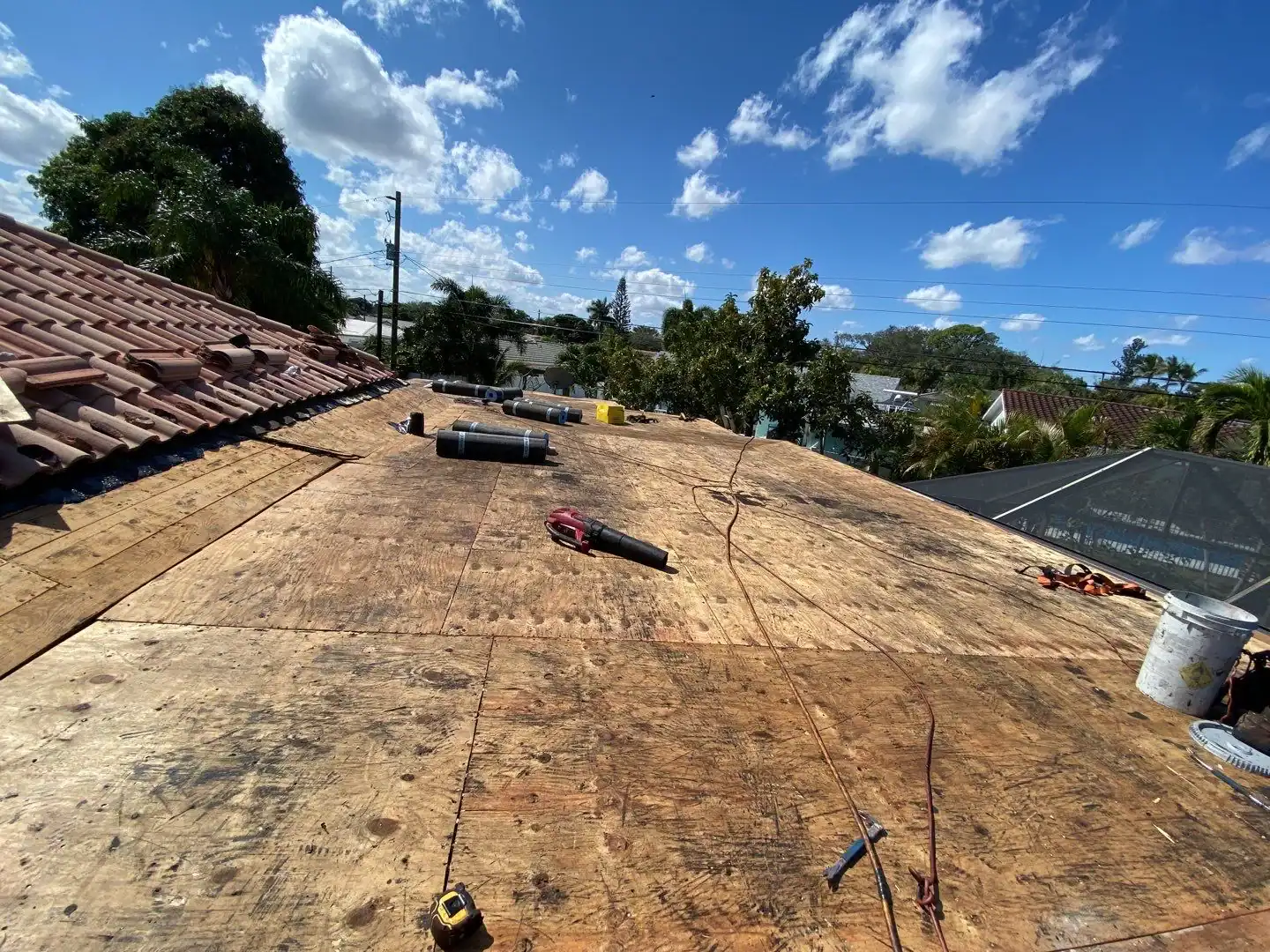
The visible roofing material is only part of the system that protects your home. Underlayment creates a critical secondary barrier against water intrusion. Modern synthetic underlayment outperforms traditional felt paper in Florida’s climate, resisting UV exposure during installation and providing better waterproofing if surface materials fail. Sealed roof decks with properly installed underlayment have prevented catastrophic water damage in homes that lost shingles or tiles during hurricanes.
Flashing around chimneys, vents, skylights, and roof edges determines whether water finds its way inside. Cheap flashing corrodes quickly in Florida’s salt air and humidity. Quality installations use corrosion-resistant materials and proper sealing techniques that create watertight barriers at every penetration. Many roof leaks trace back to failed flashing rather than problems with the primary roofing material.
Ventilation affects both roof lifespan and home comfort. Proper attic ventilation reduces heat buildup that degrades roofing materials from underneath. Ridge vents, soffit vents, and adequate airflow prevent moisture accumulation that leads to mold growth and wood rot. The 2025 Florida Building Code now requires R-20 attic insulation, which works with ventilation to improve energy efficiency while protecting your roof structure.
Roof-to-wall connections provide the structural integrity that keeps your roof attached during hurricanes. Hurricane straps or clips connect roof trusses to wall structures, reducing uplift forces. These connections are required by code in hurricane-prone areas but vary in quality and installation method. Retrofitting enhanced connections on existing homes can qualify you for insurance discounts and dramatically improve storm resistance.
The fastening system matters more than most homeowners realize. Nails versus screws, fastener spacing, and penetration depth all affect wind resistance. Metal roofing uses concealed fasteners that don’t create holes in the weather barrier. Tile systems rely on clips and adhesives rated for high winds. Shingles need specific nail patterns with the right number of fasteners per shingle. Contractors who rush installations or use incorrect fastening methods compromise your roof’s performance regardless of material quality.
Making the Right Roof Installation Decision for Your Palm Beach County Home
Your roof protects everything you value—your family, your belongings, your financial investment. In Palm Beach County, FL, that protection depends on choosing materials that can handle sustained winds over 130 mph, installation quality that meets or exceeds Florida Building Code requirements, and contractors with the expertise to deliver both.
The right decision balances upfront cost against long-term value, considers your insurance requirements and potential premium savings, and accounts for your home’s specific structural needs. Metal roofing offers maximum wind resistance and longevity. Tile provides durability with classic aesthetics. Even shingles can work if you choose high-wind-rated products and ensure proper installation.
What matters most is working with contractors who understand these technical requirements, handle permitting and inspections correctly, and stand behind their work with meaningful warranties. Four generations of roofing experience means we’ve seen what works and what fails in Florida’s harsh weather. When you’re ready to protect your home with a roof installation that will actually perform when the next storm hits, that experience makes all the difference.