Summary:
Why Roof Inspections Matter More in Palm Beach County
Most roofing material manufacturers base their warranties on ideal conditions. Palm Beach County doesn’t offer ideal conditions. Your roof deals with salt air that corrodes metal components, UV rays that break down shingles faster than the warranty suggests, and wind events that test every fastener.
Insurance companies know this. That’s why they’re getting stricter about roof age and condition. Many carriers now require inspections for roofs over 15 years old, and some won’t renew policies without proof your roof can handle the next storm season.
A roof inspection gives you documentation when you need it and catches deterioration before it becomes visible from inside your home. By the time you see water stains on your ceiling, the damage has already spread to insulation, framing, and drywall—turning a few hundred dollars in shingle repairs into thousands in restoration work.
What a Professional Roof Inspection Actually Covers
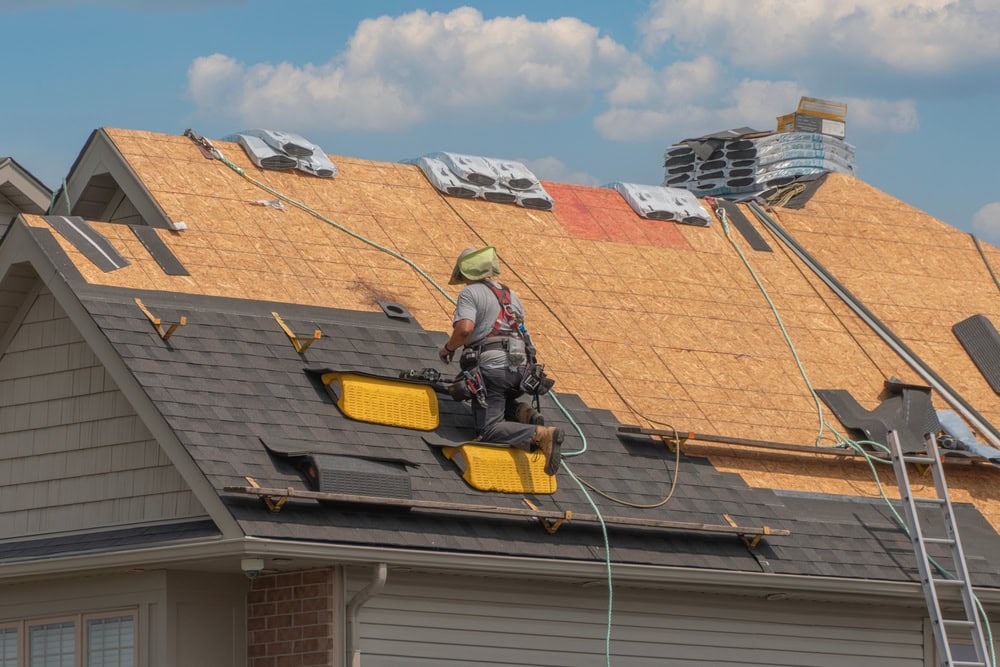
A real roof inspection goes beyond someone glancing up from your driveway. Professional roofers check specific vulnerabilities that cause the most problems in South Florida.
We start with shingles or tiles, looking for cracks, curling, missing pieces, or granule loss that signals the end of the material’s protective life. In coastal areas, even a few missing granules expose the asphalt beneath to accelerated UV damage. Curled or buckled shingles indicate heat damage or improper installation, both of which compromise your roof’s ability to shed water effectively.
Flashing around chimneys, vents, and skylights gets careful attention—these are the most common leak points on any roof. Flashing fails when sealant dries out or metal corrodes, both of which happen faster in our climate. A thorough inspection checks not just the visible flashing but also the sealant integrity and whether the flashing remains properly secured to both the roof surface and the structure it’s protecting.
Gutters and downspouts get checked for clogs, proper drainage, and secure attachment. When gutters overflow during heavy rains, water backs up under shingles and finds its way into your home. We also look for rust, separation at seams, and whether downspouts direct water far enough away from your foundation. We examine soffit and fascia for rot or pest damage, inspect roof valleys where debris accumulates and water concentrates, and check attic ventilation to prevent heat and moisture buildup that shortens your roof’s life from the inside out.
The inspection also covers less obvious issues like proper roof ventilation, signs of interior moisture damage, and whether your roof deck shows any sagging or structural concerns. Most inspections take less than an hour. What we find can save you from emergency tarping during the next tropical storm or from discovering your insurance lapsed because your roof didn’t meet their standards. The documentation alone makes it worth scheduling, even if nothing needs immediate attention.
How Often You Should Schedule Roof Inspections
A real roof inspection goes beyond someone glancing up from your driveway. Professional roofers check specific vulnerabilities that cause the most problems in South Florida.
We start with shingles or tiles, looking for cracks, curling, missing pieces, or granule loss that signals the end of the material’s protective life. In coastal areas, even a few missing granules expose the asphalt beneath to accelerated UV damage. Curled or buckled shingles indicate heat damage or improper installation, both of which compromise your roof’s ability to shed water effectively.
Flashing around chimneys, vents, and skylights gets careful attention—these are the most common leak points on any roof. Flashing fails when sealant dries out or metal corrodes, both of which happen faster in our climate. A thorough inspection checks not just the visible flashing but also the sealant integrity and whether the flashing remains properly secured to both the roof surface and the structure it’s protecting.
Gutters and downspouts get checked for clogs, proper drainage, and secure attachment. When gutters overflow during heavy rains, water backs up under shingles and finds its way into your home. We also look for rust, separation at seams, and whether downspouts direct water far enough away from your foundation. We examine soffit and fascia for rot or pest damage, inspect roof valleys where debris accumulates and water concentrates, and check attic ventilation to prevent heat and moisture buildup that shortens your roof’s life from the inside out.
The inspection also covers less obvious issues like proper roof ventilation, signs of interior moisture damage, and whether your roof deck shows any sagging or structural concerns. Most inspections take less than an hour. What we find can save you from emergency tarping during the next tropical storm or from discovering your insurance lapsed because your roof didn’t meet their standards. The documentation alone makes it worth scheduling, even if nothing needs immediate attention.
Seasonal Roof Maintenance That Actually Extends Lifespan
Preventive roofing care isn’t complicated, but it needs to happen consistently. Each season brings specific challenges in Palm Beach County, FL, and your maintenance routine should match what your roof faces.
The goal isn’t to become a roofing expert yourself. It’s to know what to look for, what you can safely handle, and when to call someone who does this for a living. Most seasonal maintenance takes less time than you’d spend dealing with even a minor leak, and the cost difference between prevention and repair isn’t even close.
Spring Preparation Before Hurricane Season
Late April through May is your window to prepare for June 1st when hurricane season officially starts. This is when you want to address anything that could fail under high winds or heavy rain. Your seasonal roof checklist for spring should cover both cleaning and structural verification.
Clean your gutters completely. Winter debris and spring pollen create clogs that cause water to overflow and seep under your roofline during summer storms. While you’re up there, check that gutters are securely attached and angled correctly toward downspouts. Loose gutters tear away in high winds and damage the fascia when they go. Look inside the gutters for granules from asphalt shingles—excessive granule loss indicates your shingles are reaching the end of their protective life.
Inspect for any shingles or tiles that shifted during winter storms. Even if they’re still in place, compromised attachment means they’ll lift in the next wind event. Missing or damaged pieces need replacement before hurricane season brings sustained high winds. Look for cracked sealant around flashing, especially near chimneys and vent pipes. Sealant dries out faster in our climate and needs replacement more often than in other parts of the country. Pay special attention to roof valleys where two planes meet—these areas concentrate water flow and show wear first.
Trim back tree branches that hang over your roof. During hurricanes, these become battering rams that punch through shingles or tiles. Even in normal weather, branches rubbing against your roof wear away the protective granules and create entry points for water. Aim to keep branches at least six feet away from your roofline.
Check your attic for signs of leaks or moisture—brown stains, mold growth, or damp insulation all indicate problems that need fixing before the rainy season intensifies. Look for daylight coming through the roof boards, which signals gaps in your roofing material. Verify that attic ventilation is working properly; inadequate ventilation traps heat and moisture that deteriorate your roof from the inside.
Fall Maintenance After Storm Season
September through November brings the peak of hurricane season, and by December you want to assess what damage occurred and prepare for the winter rainy season. Even if you didn’t take a direct hit, tropical systems passing offshore generate enough wind to cause problems. Your fall seasonal roof checklist focuses on damage assessment and preparation for winter rains.
Walk your property and look for shingles or tiles on the ground. Missing pieces mean exposed underlayment that won’t survive the next rain. Check your roof from a safe vantage point for lifted or creased shingles that caught wind but didn’t tear completely off—these need reattachment before they become missing shingles. Inspect flashing for new gaps or loosened sections, particularly around roof penetrations where wind pressure concentrates.
Clean gutters again. Fall brings different debris than spring, and clogged gutters during winter rains cause the same backup problems. Remove all leaves, twigs, and accumulated sediment. Flush downspouts with a hose to verify they’re flowing freely. Look for any sagging sections of your roofline or areas where water pools instead of draining. Pooling water finds every tiny gap and works its way underneath your roofing material.
If you had any interior leaks during storm season, don’t assume they’ll just go away because the weather improved. Leaks indicate failed waterproofing somewhere, and that failure will repeat during the next heavy rain. Getting them fixed in fall means you’re not competing with everyone else who waited until they had water pouring into their living room during the next storm. Document any damage with photos for insurance purposes, even if you’re not filing a claim immediately.
Examine your roof’s edges and perimeter where wind uplift forces concentrate during storms. Check that drip edge is secure and that no gaps have opened where water could work its way under your roofing material. Look at soffit and fascia for any storm damage or areas where water infiltration occurred. These components protect your roof deck and interior from the elements, and damage here accelerates deterioration of the entire roofing system.
Making Smart Decisions About Your Roof's Future
Preventative maintenance works until it doesn’t. At some point, every roof reaches the end of its useful life, and throwing money at repairs becomes less smart than investing in replacement. The key is knowing the difference before you waste money on a roof that’s past saving.
If your roof is under 10 years old and in decent shape, maintenance makes complete sense. Keep up with inspections, fix small issues promptly, and you’ll likely get the full expected lifespan from your materials. Between 10 and 15 years, you’re in the judgment zone where the decision depends on overall condition and how well the roof was maintained from the beginning.
Past 15 years, insurance requirements start pushing toward replacement regardless of condition. Many carriers won’t renew coverage on older roofs without extensive documentation, and some simply require replacement. At that point, you’re not just making a maintenance decision—you’re making an insurability decision.
When you’re ready for an honest assessment of where your roof stands, reach out to us at Aastro Roofing Company. Four generations of roofing experience means we’ve seen every scenario Palm Beach County weather can create, and we’ll tell you straight whether maintenance makes sense or whether it’s time to start planning for replacement.